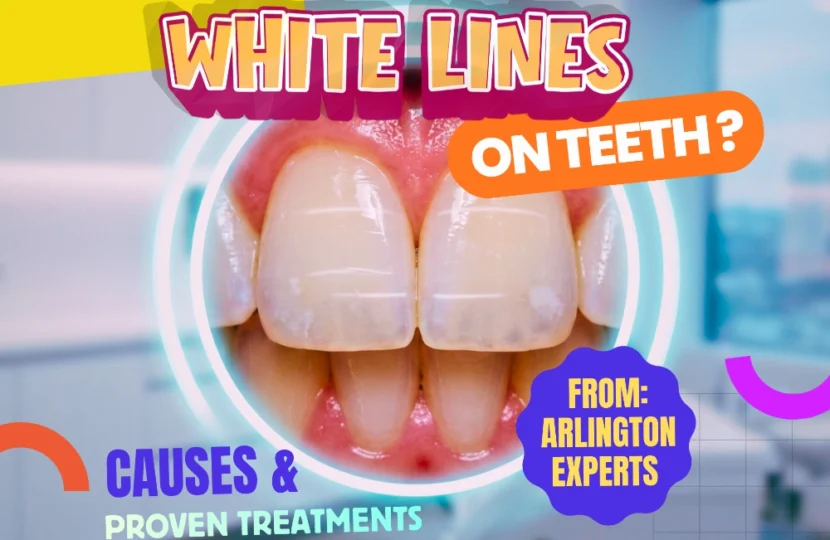
Have you recently noticed faint streaks, chalky spots, or unusual white markings on your teeth? You’re not alone. One of the increasingly common concerns patients ask about at Smile Perfectors is White Lines on Teeth—especially among teens, adults, and parents seeking answers for their children.
While white lines or spots may seem like a minor cosmetic issue at first, they can sometimes signal deeper concerns related to enamel development, oral hygiene, diet, or early stages of tooth damage. The good news? Rising modern cosmetic dentistry offers highly effective treatments and preventive solutions.
At Smile Perfectors, serving Arlington, Rosslyn, Vienna, Crystal City, and Washington, D.C., we help patients understand what causes these changes and recommend personalized treatment plans designed for long-term oral health and smile confidence.
In this guide, Arlington dental experts explain the causes behind white lines on teeth, how to identify whether they’re harmless or concerning, and which treatments can restore a healthy, natural-looking smile.
What Are White Lines on Teeth?
White Lines on Teeth are visible white streaks, bands, or patches that appear on the enamel surface. Their appearance can vary:
- Thin horizontal lines
- Chalky white spots
- Vertical streaks
- Patchy discoloration
- Areas with uneven enamel color
Some patients notice them only under bright lighting or in photographs, while others find them increasingly visible over time.
Not all white lines indicate the same issue. Some are purely cosmetic, while others may reflect changes in enamel health.
Why Do White Lines Appear?
To understand treatment options, it’s important to identify the underlying cause.
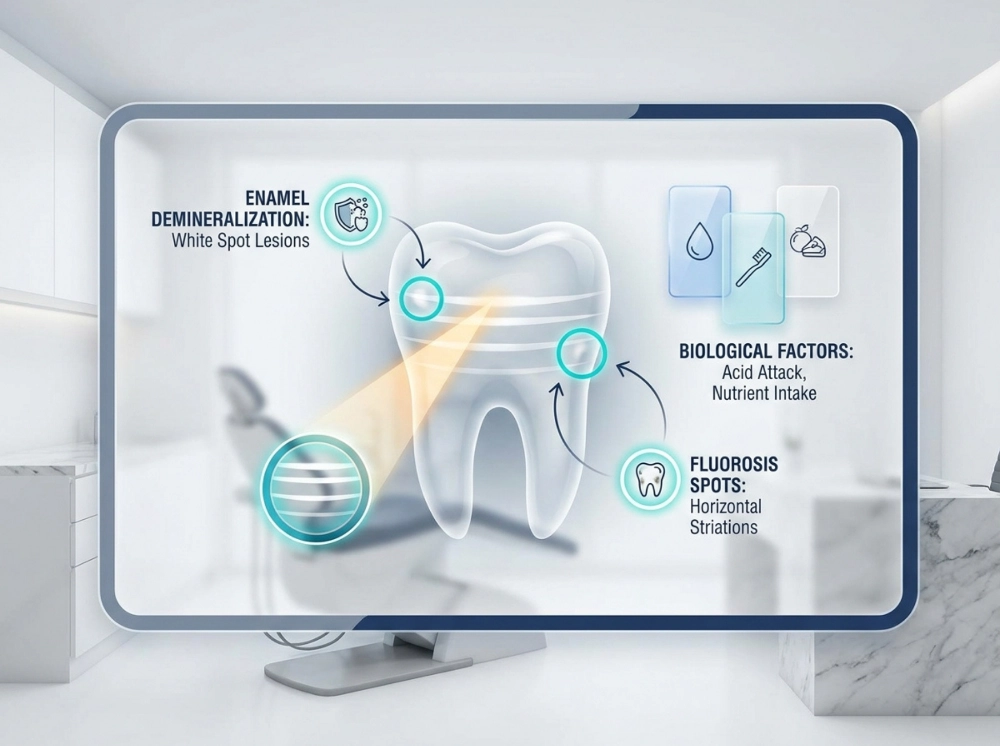
Common contributing factors include:
- Enamel demineralization
- Fluorosis
- Orthodontic treatment history
- Dietary acids
- Poor oral hygiene
- Enamel hypoplasia
- Mineral imbalance during tooth development
The exact cause often determines both severity and treatment recommendations.
Common Causes of White Lines on Teeth
1. Early Enamel Demineralization
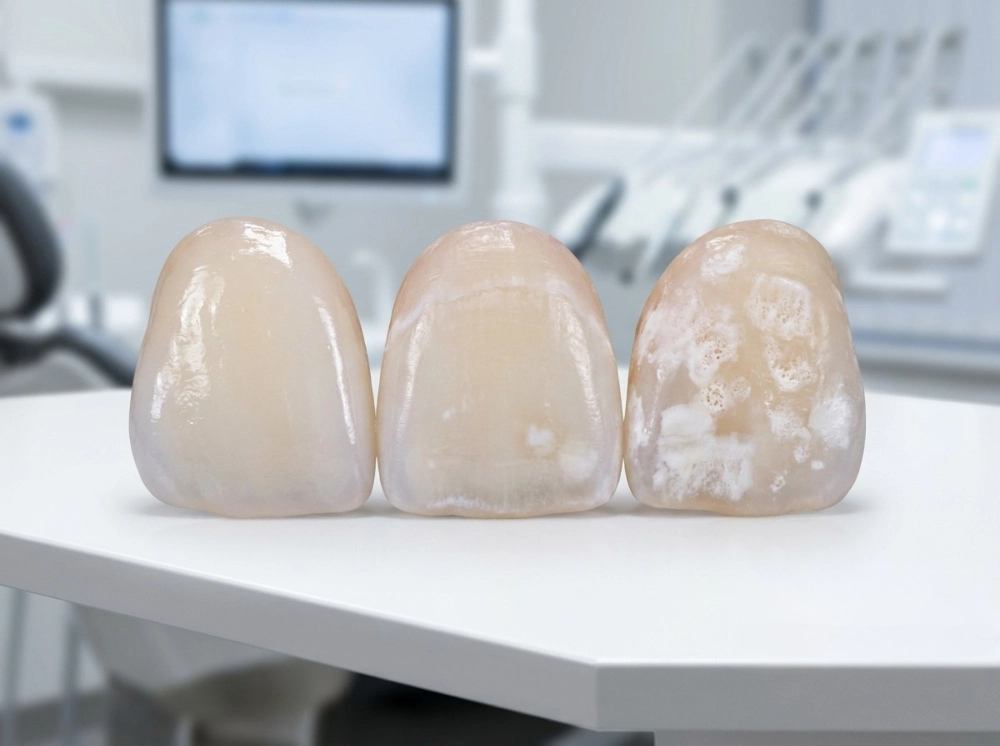
One of the most common reasons for White Lines on Teeth is enamel demineralization.
Demineralization occurs when acids remove important minerals from enamel before a cavity fully develops.
Common causes include:
- Plaque buildup
- Frequent sugar consumption
- Acidic beverages
- Inconsistent brushing habits
This often appears as chalky white bands near the gumline.
For many Arlington-area patients, early intervention, including improved oral hygiene habits, can stop progression before cavities form.
2. Fluorosis
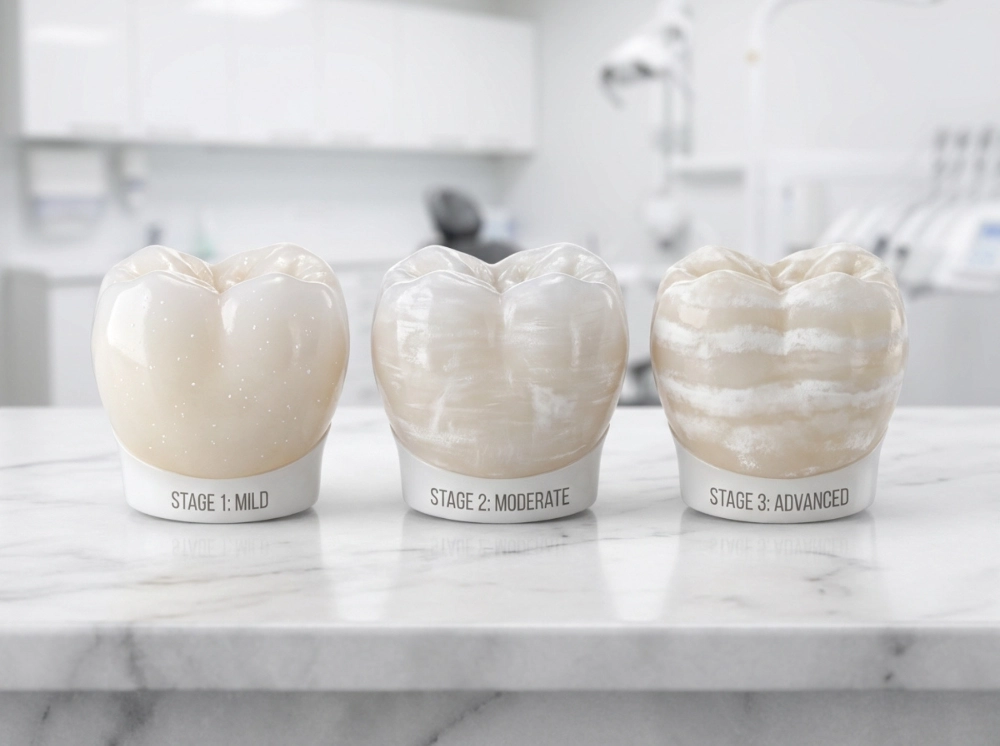
Dental fluorosis develops during tooth formation due to excessive fluoride exposure during childhood.
Mild fluorosis often appears as:
- Thin white lines
- Cloudy streaks
- Diffuse white patches
In many cases, fluorosis does not affect tooth health—but patients may seek cosmetic improvement.
3. Braces and Orthodontic Treatment
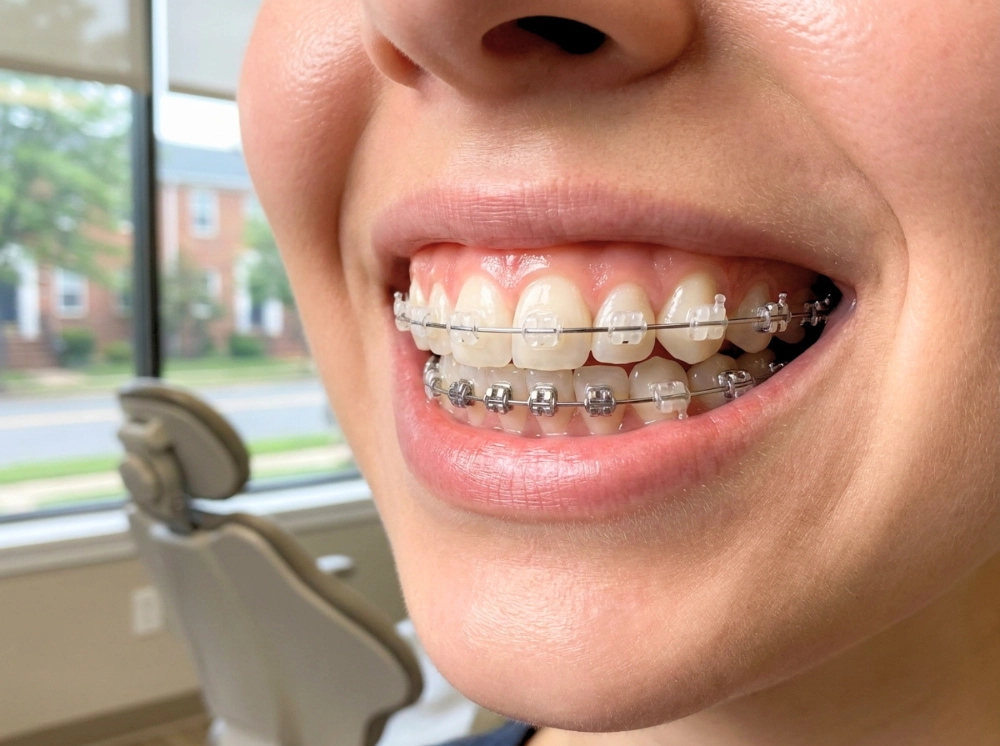
Patients who previously wore braces sometimes develop white lines or spots around bracket locations.
Why?
Brackets create areas where plaque accumulates more easily.
After braces are removed:
- Mineral loss becomes visible
- Uneven enamel coloration appears
- White streaks become more noticeable
This is one reason orthodontic hygiene matters so much during treatment.
4. Enamel Hypoplasia
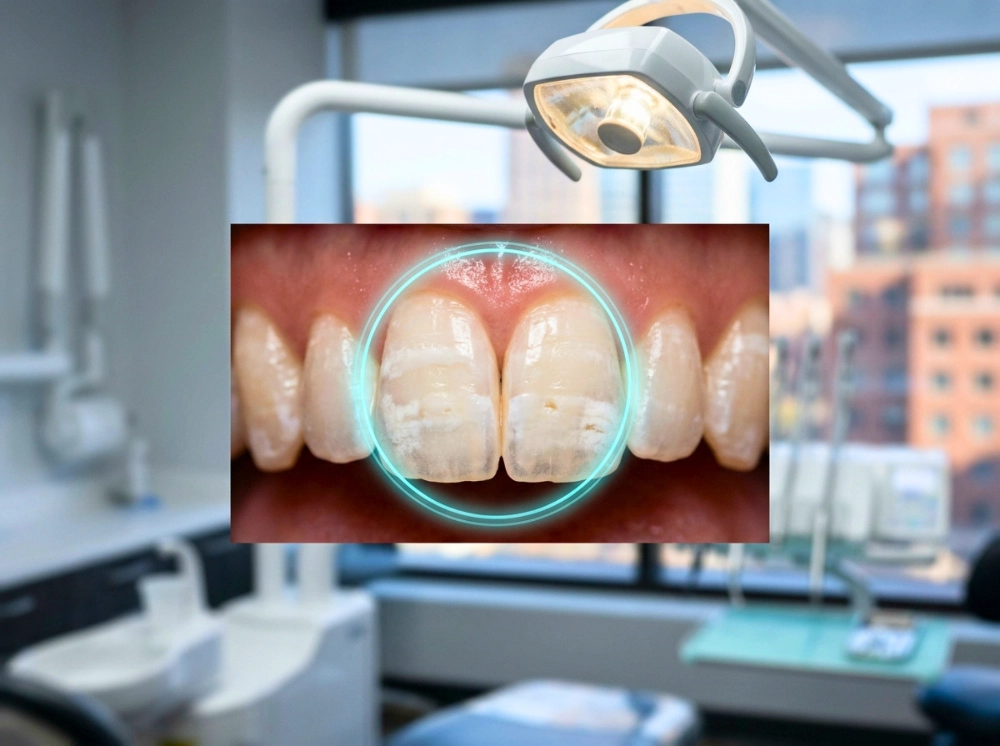
Enamel hypoplasia is a developmental condition where enamel forms incompletely.
Possible causes:
- Childhood illness
- Nutritional deficiencies
- Genetics
- High fever during development
Patients with hypoplasia may notice:
- White grooves
- Horizontal bands
- Surface irregularities
Unlike temporary discoloration, these changes often require restorative treatment.
5. Acid Erosion and Dietary Habits

Acidic foods and beverages gradually weaken enamel.
Common culprits include:
- Sports drinks
- Soda
- Citrus beverages
- Energy drinks
- Frequent snacking
Busy professionals in Arlington and Washington, D.C. often consume coffee and acidic beverages throughout the day, which may contribute to enamel changes over time; regular dental visits can help counteract some of these effects.
Signs White Lines May Require Professional Evaluation
Not all white markings require treatment—but some should be examined.
Schedule an evaluation if you notice:
- Increasing visibility
- Tooth sensitivity
- Rough enamel texture
- White lines near gum areas
- Associated discoloration
- Darkening nearby areas
Changes in appearance can sometimes indicate early decay progression.
White Lines vs White Spots: Is There a Difference?
Patients often use these terms interchangeably.
However, they may represent slightly different patterns.
Patients often use the terms white lines and white spots interchangeably, but these enamel changes can appear in different patterns and may point to different underlying causes.
| Feature | White Lines | White Spots |
|---|---|---|
| Appearance | Thin bands or streaks | Small circular patches |
| Common Cause | Fluorosis or enamel development | Demineralization |
| Texture | Usually smooth | Sometimes chalky |
| Treatment Need | Varies based on diagnosis | Often monitored closely |
Visual Breakdown: Most Common Causes of White Lines on Teeth
Most Common Causes of White Lines on Teeth
Patients from Arlington, Rosslyn, Vienna, Crystal City, and Washington, D.C. commonly experience enamel changes for several reasons.
| Cause | Relative Frequency | Local Relevance |
|---|---|---|
| Demineralization | Very High | Common in patients with plaque buildup, acidic drinks, or inconsistent hygiene habits |
| Fluorosis | High | Often related to childhood fluoride exposure during tooth development |
| Orthodontic History | High | May appear after braces when plaque accumulated around brackets |
| Acid Erosion | Moderate to High | Associated with acidic beverages, sports drinks, soda, citrus, and frequent snacking |
Proven Treatments for White Lines on Teeth
Treatment depends entirely on diagnosis.
At Smile Perfectors, treatment recommendations are customized based on enamel condition, severity, and cosmetic goals.
Professional Fluoride Therapy
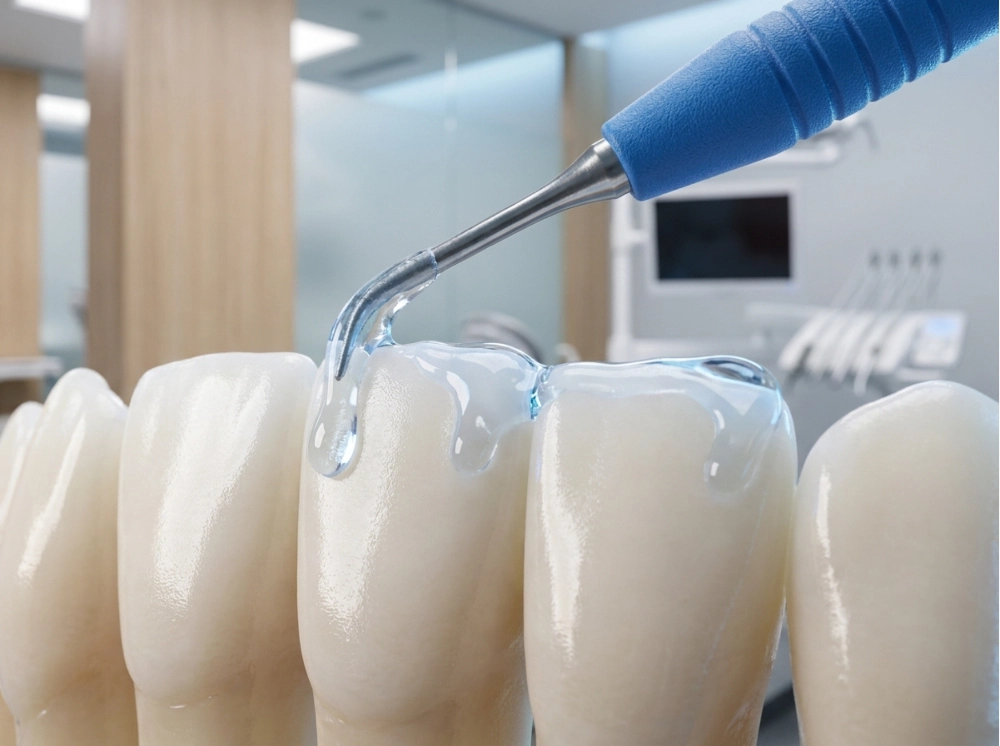
For early demineralization:
Benefits include:
- Strengthens enamel
- Supports remineralization
- Helps stop progression
- Non-invasive approach
This treatment is often recommended before cosmetic intervention.
Microabrasion
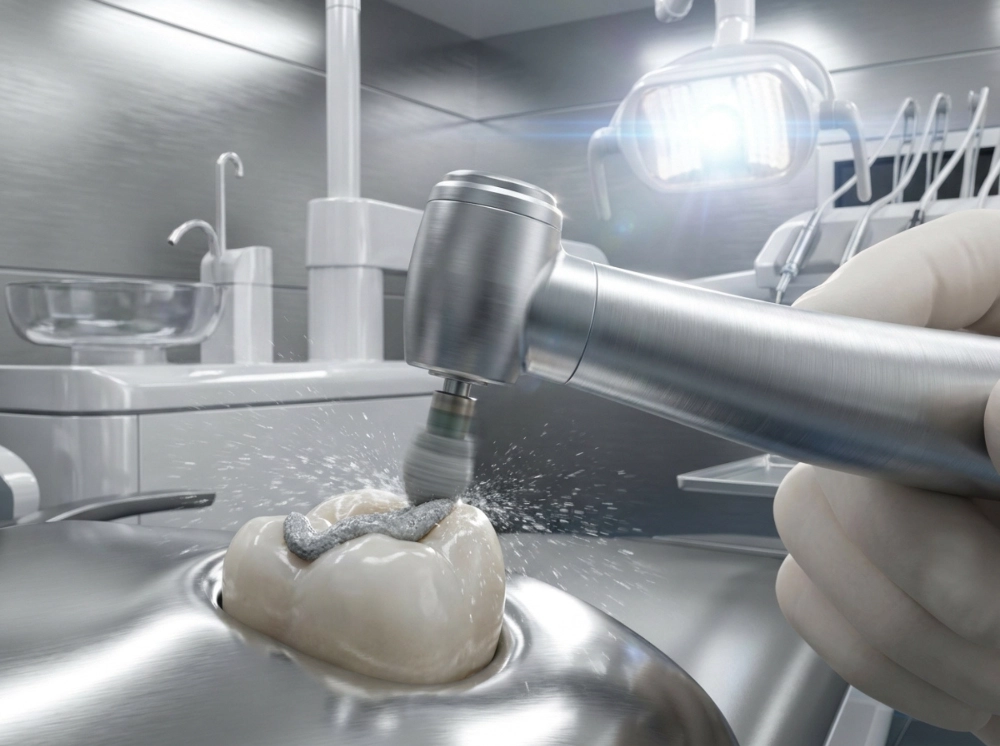
Microabrasion removes a microscopic enamel layer to improve surface appearance.
Useful for:
- Mild fluorosis
- Superficial discoloration
- Minor enamel irregularities
Many Arlington cosmetic patients choose this conservative option.
ICON Resin Infiltration
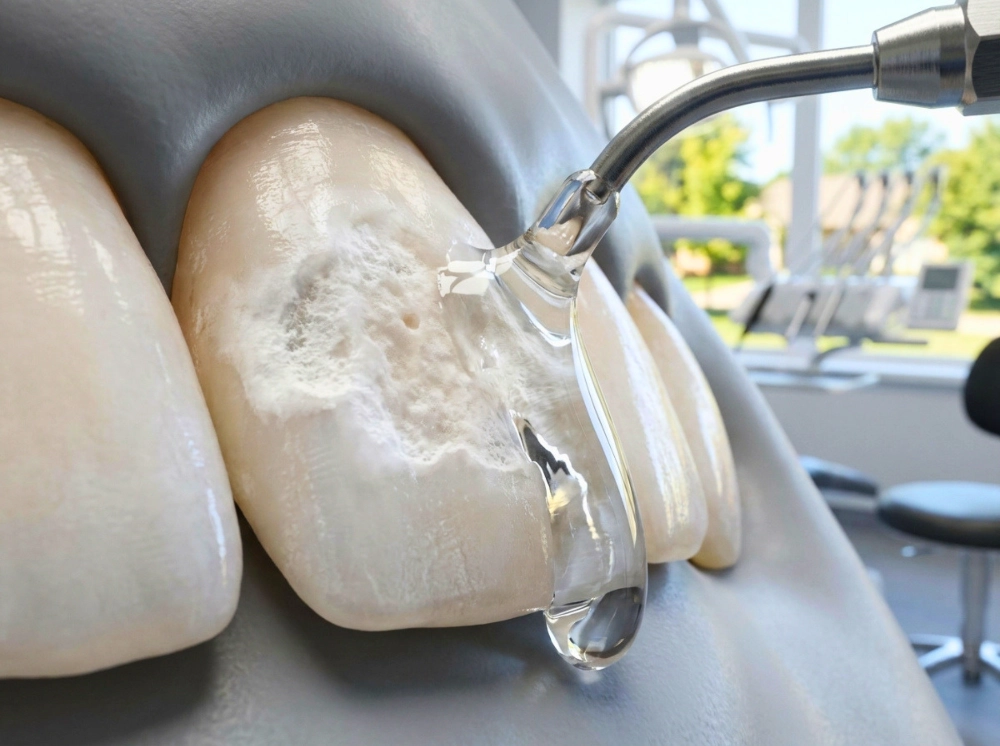
One of the most innovative solutions today is ICON treatment.
ICON:
- Penetrates porous enamel
- Reduces visibility of white lesions
- Requires minimal drilling
- Preserves natural tooth structure
Many cosmetic dentists consider it one of the most exciting treatments for visible enamel lesions.
Professional Teeth Whitening
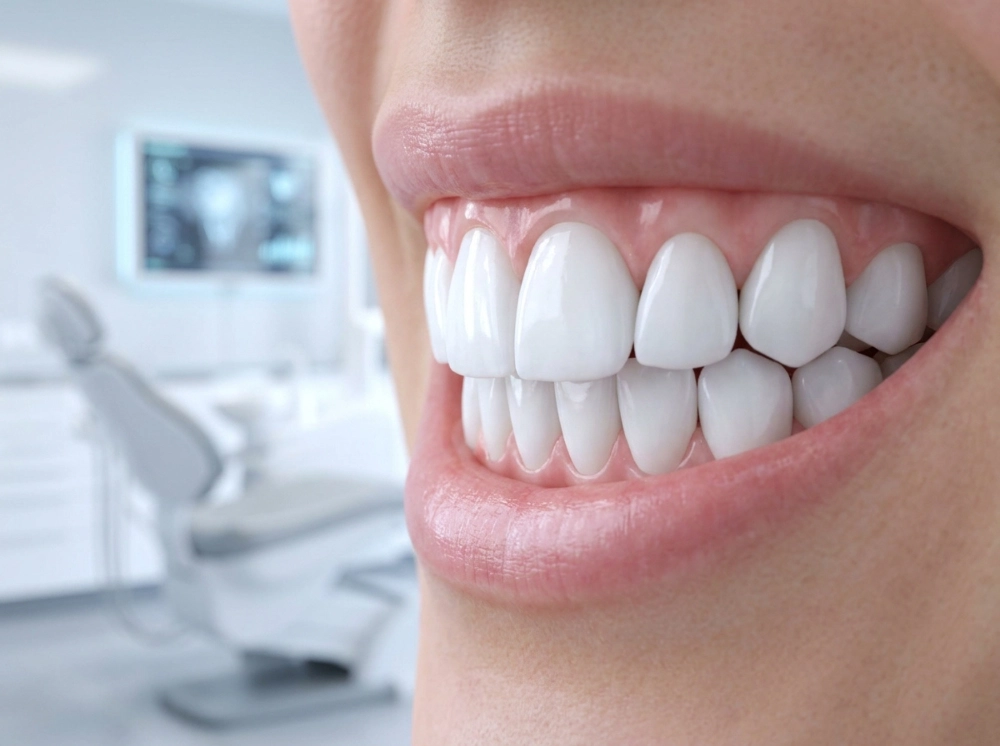
Sometimes whitening can reduce contrast and improve appearance.
However:
Whitening is not always appropriate for every cause of White Lines on Teeth.
Proper diagnosis matters first.
Porcelain Veneers
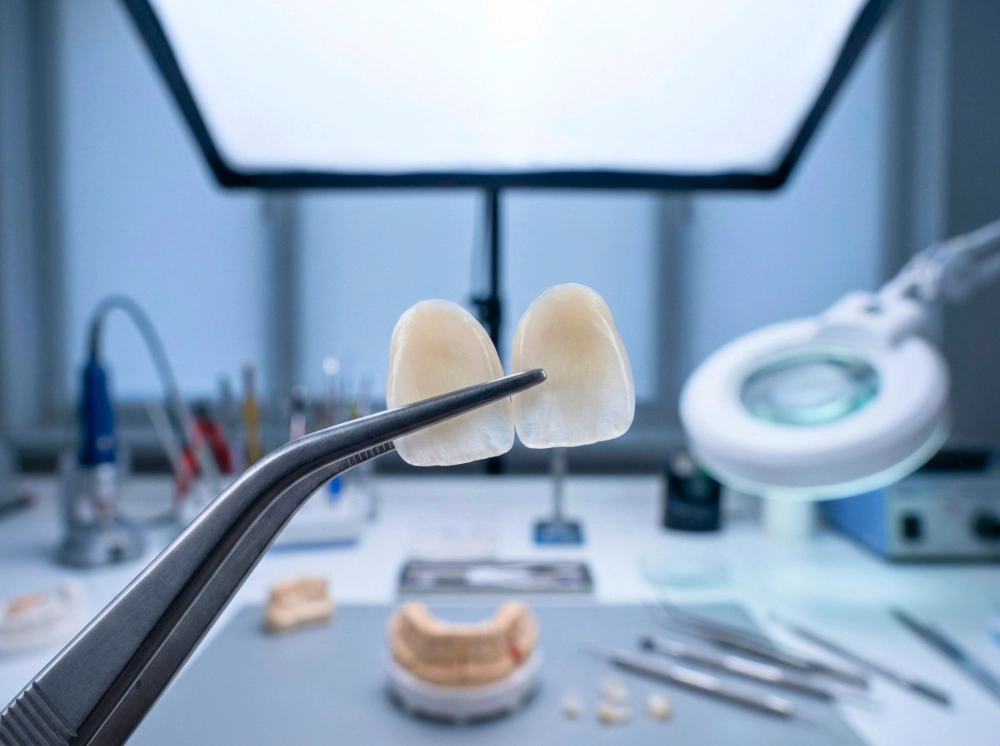
For severe discoloration or structural issues:
Veneers may provide:
- Complete cosmetic correction
- Long-lasting results
- Uniform smile appearance
Smile Perfectors often recommends veneers when patients desire full smile transformation.
Can White Lines Be Prevented?
In many situations—yes.
Prevention strategies include:
Maintain Excellent Oral Hygiene
Daily habits:
- Brush twice daily
- Floss consistently
- Use fluoride toothpaste
Limit Acidic Foods
Reduce:
- Soda
- Sports drinks
- Frequent citrus exposure
Keep Orthodontic Hygiene Strong
Patients using Invisalign or braces should:
- Brush after meals
- Maintain professional cleanings
- Follow orthodontic instructions carefully
Schedule Routine Dental Visits
Routine visits help identify:
- Early demineralization
- Developing enamel changes
- Areas needing intervention
For families throughout Vienna, Arlington, and Northern Virginia, preventive care remains one of the most powerful tools available.
What Makes Smile Perfectors Different?

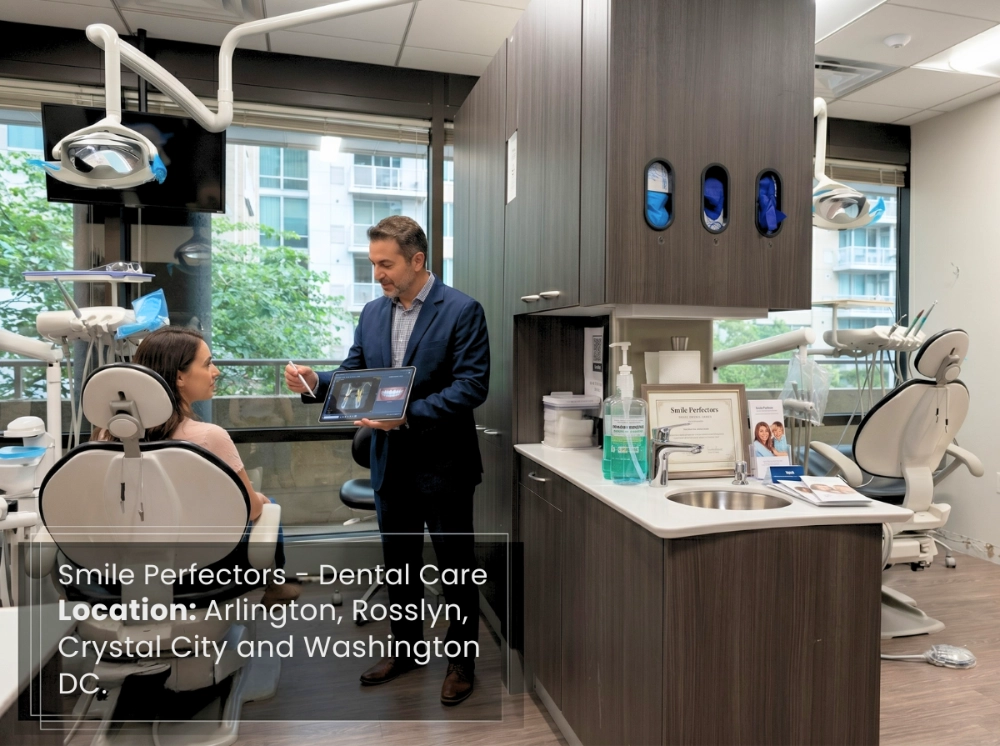
At Smile Perfectors, our philosophy extends beyond treating symptoms.
We focus on:
- Identifying root causes
- Conservative treatment whenever possible
- Advanced cosmetic options
- Personalized smile design
- Long-term oral health outcomes
Serving Arlington, Rosslyn, Vienna, Crystal City, and Washington, D.C., our team combines modern technology with compassionate care.
Ready to Restore a Healthier, Brighter Smile?
Concerned About White Lines on Teeth?
At Smile Perfectors, we help patients across Arlington, Rosslyn, Vienna, Crystal City, and Washington, D.C. identify the cause of enamel changes and create personalized treatment plans designed around long-term smile health.
- Comprehensive dental evaluations
- Advanced cosmetic treatment options
- Conservative enamel-preserving care
- Personalized smile solutions
Final Thoughts
Discovering White Lines on Teeth can be confusing—but they are often treatable and sometimes preventable.
The key is understanding the cause before selecting treatment.
Whether the issue involves fluorosis, demineralization, orthodontic changes, or enamel development, early evaluation can preserve both appearance and oral health.
If you live in Arlington, Rosslyn, Vienna, Crystal City, or Washington, D.C., Smile Perfectors is here to help you understand your options and restore confidence in your smile.
Because a healthier smile isn’t only about appearance—it’s about protecting your teeth for years to come.